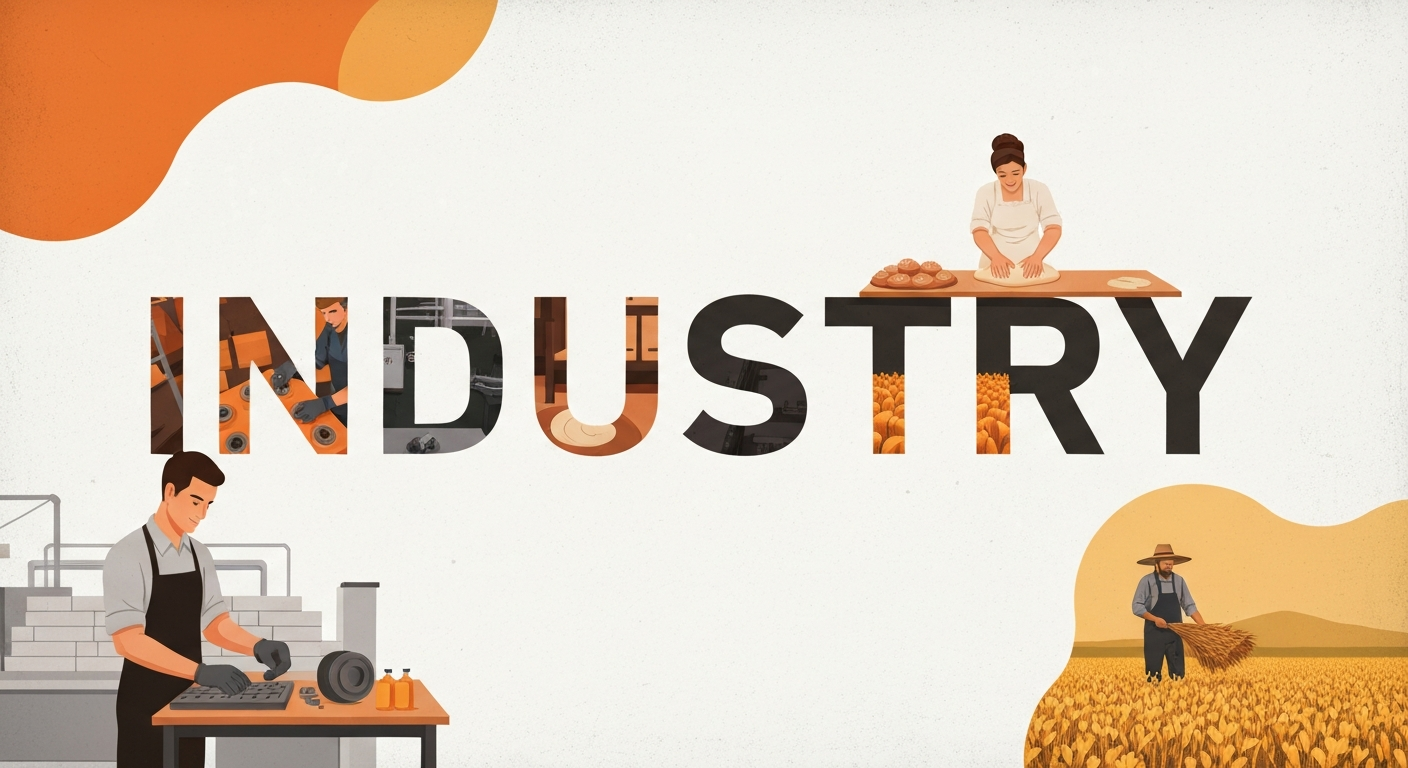
Industry Explained Meaning, Types, News, Industry 4.0, and Real-World Examples
The word Industry is used every day, yet many people still ask, what does industry mean? In simple terms, industry means the work people do to make goods or provide services. It includes factories, farms, hotels, games, movies, and even online businesses. From the automotive industry to the gaming industry news we see online, industry shapes how we live, work, and grow. I have worked with small businesses and large companies, and I’ve seen how industry decisions affect jobs, prices, and innovation. This article explains what is industry, how it works, and why it matters today. We will also explore news, trends, history, and future changes like industry 4.0. Everything is written in clear language so even a young reader can understand. By the end, you will know how industries grow, change, and impact daily life across the world.
What Is Industry? A Simple Definition
Many people search what is an industry or what industry is amazon in. An industry is a group of businesses that do similar work. For example, car makers belong to the automotive industry, while hotels belong to the hotel industry. Amazon fits into retail, technology, and logistics industries. Industry helps us organize the economy into clear parts. This makes it easier to study jobs, money, and growth. When I first learned economics, understanding industry helped everything make sense. It shows how workers, machines, and ideas come together. The best definition answers what is industry clearly: it is organized economic activity. Whether it is a cottage industry at home or a global tech firm, all industries meet human needs. Knowing this helps students, workers, and business owners make smarter choices.
Types of Industry: From Cottage to Global
There are many types of industry, and each one works differently. A cottage industry is small and home-based. People make goods by hand, often with family help. The best definition of the term “cottage industry” is simple local production using basic tools. On the other side, global industries use machines and workers worldwide. The construction industry builds homes and roads. The beauty industry news today often highlights new products and trends. The luxury industry news today shows how brands sell high-end goods. Each industry has its own rules, risks, and rewards. I’ve seen small cottage businesses grow into large brands with the right support. This shows that all industries matter, big or small. Understanding types helps people choose careers and investments wisely.
Industry 4.0: The Future of Work
Many ask what is industry 4.0 because it sounds complex. Industry 4.0 means using smart machines, robots, and data. Computers talk to machines, and machines learn from data. This makes work faster and safer. Factories now use sensors and AI to avoid waste. I visited an industry plant using automation, and it was clean and quiet. Industry 4.0 also changes jobs, so workers need new skills. Programs like the DOL industry-driven skills training fund help people learn these skills. This new industrial age is not about replacing humans but helping them. Knowing what is industry 4.0 helps workers stay ready for the future.
Industry News and Media Influence
Daily updates like gaming industry news, anime industry news today, and advertising industry news shape public opinion. News shows what is growing and what is slowing down. For example, chip industry updates today affect phone prices. Hotel industry news shows travel trends. Even entertainment matters, like industry (TV series), which shows finance culture. I follow construction industry news to track housing growth. Industry news helps workers and investors plan ahead. It also keeps companies honest. When people understand news, they make better choices. This makes industry more transparent and fair for everyone.
Industry and Psychology: Industry vs Inferiority
The term industry vs inferiority comes from psychology. It describes how children learn confidence through work. When kids succeed at tasks, they feel capable. This idea shows that industry is not only economic but personal. Schools and families should support skill-building. I’ve seen students grow when praised for effort. This mindset later helps them succeed in any industry. Confidence built early leads to better learning and teamwork. Understanding this concept helps parents and teachers support growth. Industry starts with believing you can do something well.
How Industries Are Regulated and Governed
People ask, how do central banks govern the banking industry? check all that apply. Central banks set interest rates, control money supply, and supervise banks. These actions protect customers and the economy. Another question is which of the following is true regarding industry-sponsored research? It often funds innovation but needs transparency. Rules keep industries fair and safe. Governments also responded to crises, like what effects did the government response to the Great Depression have on the credit industry? It created stronger banking laws. Regulation builds trust and stability across every industry.
Key Industry Innovations and History
History shows how one idea can change an industry forever. Which invention was most important in revolutionizing the meat industry? Refrigeration allowed safe storage and transport. How did Jan Matzeliger change the shoemaking industry in the 1800s? He invented a machine that made shoes faster and cheaper. These changes created jobs and lowered prices. Innovations shape how industries grow. Learning history helps us predict future trends. Every industry builds on past ideas, making progress possible.
Industry Classification and Careers
Many ask how to classify companies by industry categories. This is done by products, services, or markets. Finance also matters, like which certification is most commonly recognized in the financial industry? The CFA is widely respected. People also ask how to network in the modeling industry. The answer is building real connections and trust. Career growth depends on understanding your industry. Clear classification helps students and workers plan better paths.
Museums and Culture in Industry
Places like the museum of science and industry and Griffin Museum of Science and Industry show how innovation grows. These museums inspire learning and curiosity. They explain how industries evolve over time. Visiting them helped me understand machines and history better. Culture and education support industry growth. Even media like industry cast podcasts share expert insights. Learning never stops in any industry.
FAQs About Industry
What is an industry plant?
An industry plant is a person placed secretly to promote a product or idea. It is common in media and marketing. Transparency is important so people trust information.
What is CPG industry?
CPG means consumer packaged goods. These are daily items like food, soap, and drinks. This industry focuses on fast sales and strong branding.
Which bacteria causes the greatest harm in the food industry?
Salmonella causes major harm. It leads to illness and recalls. Food safety rules help prevent this problem.
Why is the automobile industry considered an oligopoly?
A few big companies control most sales. This limits competition and keeps prices stable.
List three ways the credit card industry makes money off customers.
They earn from interest, fees, and merchant charges. Understanding this helps users manage money better.
What industry is Amazon in?
Amazon works in retail, cloud computing, and logistics. It shows how one company can span many industries.
Conclusion: Why Understanding Industry Helps You
Understanding industry helps you see how the world works. It explains jobs, prices, and innovation. From cottage industry work to Industry 4.0 automation, every part matters. When people learn how industries grow, they make smarter choices. I encourage you to follow industry news, visit museums, and keep learning. Knowledge builds confidence and opportunity. If this guide helped you, share it and keep exploring the industries around you.